
Facebook Werbung Schalten - Der Komplette Leitfaden für starke Facebook Ads
Schritt für Schritt effektive Facebook Ads erstellen und deine Zielgruppe erreichen!
In 7 Schritten deine Facebook-Anzeigen schalten
(4 Minuten sinnvoll investierte Lesezeit für eine Facebook Ads Anleitung.)
Inhaltsverzeichnis:
Warum Du Facebook Werbung schalten solltest
Wie Du den Facebook Manager einrichtest
Die richtigen Marketingziele definierst
Deine Zielgruppe erstellst und Deine Wunschkunden erreichst
Wie Deine Facebook und Instagram Anzeigen geschaltet werden
Was kostet Facebook und Instagram Werbung
Welche Anzeigenformate es gibt und wie sie am besten funktionieren
und viel mehr...
FAQ
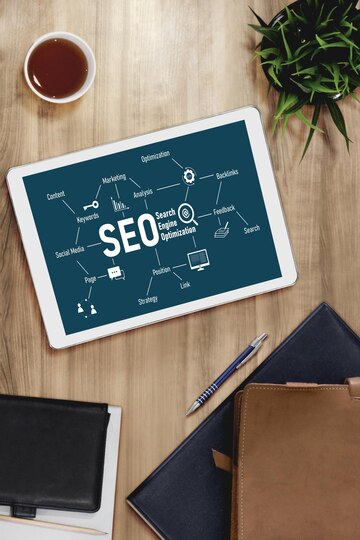
Warum Du Facebook Werbung schalten solltest
Keyword research is the foundation of SEO. Identify relevant keywords your target audience is searching for using tools like Google Keyword Planner or SEMrush. Focus on long-tail keywords, as they often have less competition and higher conversion rates. Incorporate these keywords naturally into your content to make it more discoverable.
2. Optimize On-Page Elements
Ensure your on-page elements are SEO-friendly. This includes optimizing title tags, meta descriptions, and header tags with relevant keywords. Use descriptive, compelling meta titles and include clear headings to structure your content for better readability and search engine indexing.
3. Create High-Quality, Long-Form Content
Search engines favor in-depth, valuable content that answers users’ queries. Aim to create comprehensive articles or guides that provide actionable insights. Break up your content with subheadings, bullet points, and visuals to keep readers engaged while boosting your SEO rankings.
4. Improve Website Speed
Page speed is a critical ranking factor for search engines. Compress images, use browser caching, and minimize code to reduce load times. A faster website not only ranks better but also enhances user experience, encouraging visitors to stay longer on your site.
5. Optimize for Mobile Users
With most searches conducted on mobile devices, having a mobile-friendly website is essential. Use responsive design to ensure your site adapts to different screen sizes. Test your site’s mobile usability using tools like Google’s Mobile-Friendly Test.
6. Build High-Quality Backlinks
Backlinks from reputable websites signal to search engines that your site is trustworthy. Focus on earning backlinks through guest blogging, partnerships, and creating shareable content. Avoid spammy link-building practices, as these can harm your rankings.
7. Leverage Local SEO
If you operate a local business, optimize for local search. Claim your Google My Business profile, include location-specific keywords, and encourage customers to leave reviews. Appearing in local search results can significantly boost your visibility in your community.
8. Use Schema Markup
Schema markup is a type of microdata that helps search engines understand your content better. Implementing schema can enhance how your site appears in search results, like showing rich snippets for events, products, or reviews, which can improve click-through rates.
9. Optimize Your Images
Images can boost your site’s visual appeal but also impact your SEO. Use descriptive filenames and add alt text to each image, including relevant keywords. Compress images to reduce file size and ensure they don’t slow down your website.
10. Regularly Monitor and Update Your Strategy
SEO is not a one-time effort; it requires continuous monitoring and updates. Use tools like Google Analytics and Search Console to track your performance. Identify areas for improvement and adapt your strategy based on the latest SEO trends and algorithm updates.
